August 28, 2026
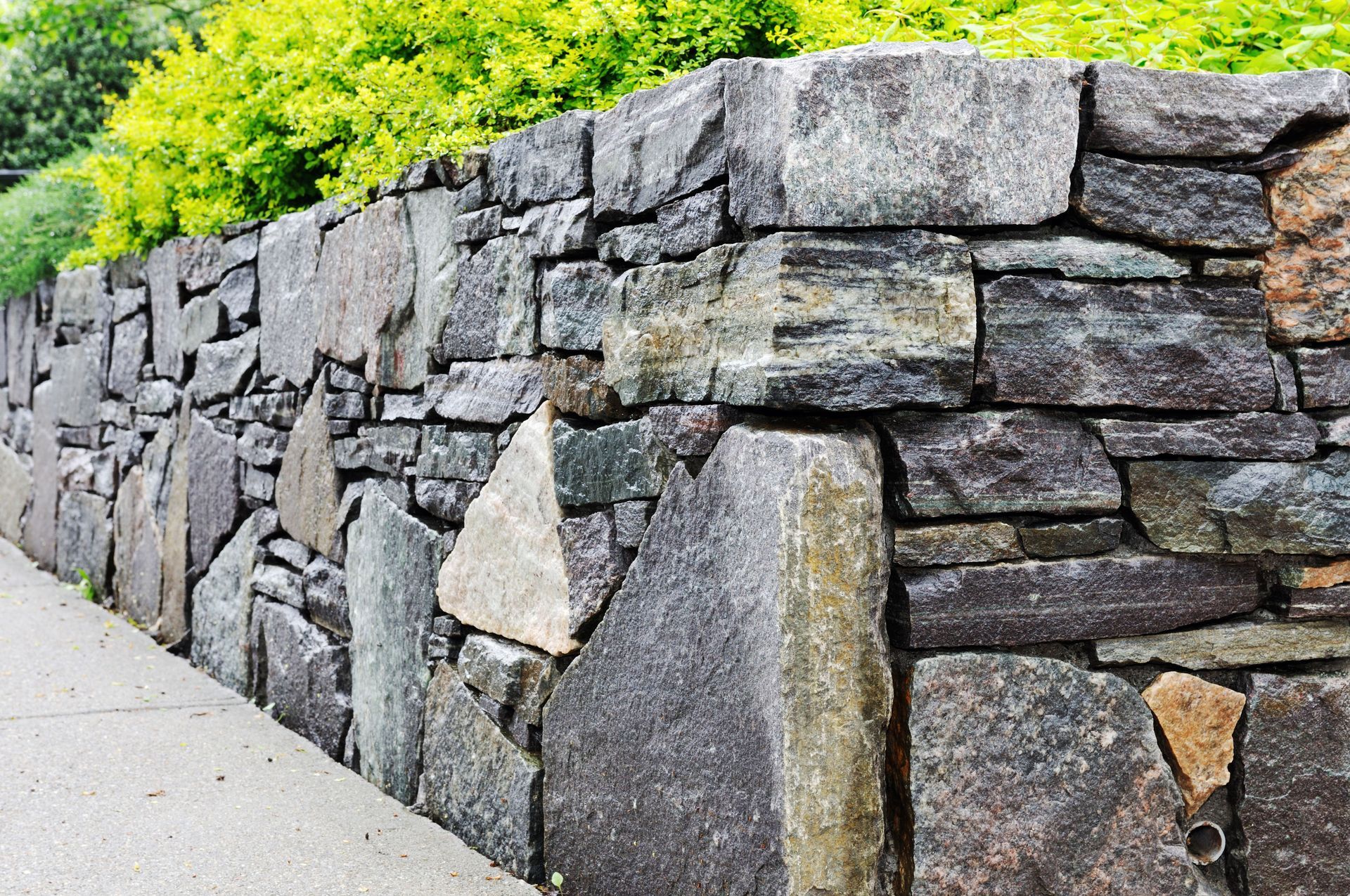
Installing a custom retaining wall transforms sloping yards into flat, usable outdoor spaces while preventing soil erosion across your property. Whether building terraced garden beds or protecting your foundation from shifting soil, elevated stonework offers lasting value. However, holding back heavy soil requires careful planning and water management. Without proper drainage, trapped moisture behind stonework causes bulges, cracks, or structural failure over time.
Building a durable outdoor barrier involves understanding how soil, weight, and water interact. Learning how drainage systems work helps homeowners protect their investments.
Exploring Purpose and Structural Needs
Heavy soil naturally slides downhill when saturated with rainwater. A well-built outdoor structure holds soil in place, stabilizing steep slopes and expanding usable lawn space. Gravity structures rely on sheer weight to hold earth back, while cantilevered designs use buried footing bases.
Every solid retaining wall balances heavy earth loads while allowing trapped moisture to escape. Understanding your yard's elevation changes determines which structure suits your landscape layout.
Evaluating Local Soil Characteristics
The dirt type resting behind your structure influences overall stability. Heavy clay soil holds water like a sponge, expanding when wet and putting pressure against stone blocks. Sandy soils drain faster, but they offer less binding strength during heavy downpours.
Analyzing ground composition helps contractors design appropriate backfill layers and drainage channels. Placing clean gravel behind stone blocks prevents clay from pressing directly against your hardscape.
Managing Natural Ground Pressures
Soil exerts lateral earth pressure against any vertical surface holding it back. When rain falls, water fills gaps between dirt particles, adding hydrostatic pressure to the earth load. Water-saturated soil weighs significantly more than dry earth, increasing the outward push against stone structures.
Unmanaged hydrostatic pressure causes cracking, leaning, and sudden collapse. Proper drainage channels prevent water buildup, relieving pressure before it damages stonework.
Preventing Water Damage and Failure
When water collects behind a retaining wall, hydrostatic pressure builds up rapidly and threatens structural stability. Moisture trapped within soil expands during winter freezes, pushing stone blocks out of alignment. Effective water management stops moisture accumulation, protecting your investment.
Inspecting Moisture Build-up Risks
Pooling water on a slope or behind stone blocks indicates poor drainage performance. When rain cannot flow away from hardscaping, it seeps deep into the soil bank, increasing weight and pressure. Over time, trapped moisture washes away fine soil, creating hollow voids behind the structure.
Ignoring standing water leads to visible bowing, shifting blocks, and stone detachment. Inspecting your retaining wall after heavy rainstorms helps you catch drainage issues before structural damage occurs.
Installing Functional Drainage Features
Effective water management combines several physical drainage components behind stonework. Perforated drainage pipes laid along the base collect water and channel it toward safe discharge areas.
Weep holes drilled near the bottom of stone blocks allow lingering water to escape cleanly. Combining perforated pipes, gravel backfill, and weep holes keeps the soil bank dry and stable.
Spotting Signs of Structural Failure
Catching early warning signs of structural stress saves homeowners from costly replacements. Small hairline cracks along mortar joints or concrete blocks suggest excessive outward pressure.
Water seeping directly through stone faces or mud washing out of weep holes signals blocked internal drainage lines. Addressing these warning signs quickly prevents sudden structural collapses during storm seasons.
Applying Smart Construction Principles
Designing long-lasting hardscapes requires integrating drainage solutions into initial planning stages rather than adding them as afterthoughts. Strategic grading and material selection work together to keep water moving smoothly away from your property.
Grading Slopes Away From Structures
Proper land grading directs surface runoff away from stone structures before it soaks deep into the ground. Shaping the lawn above the structure creates a gentle slope that routes rainwater toward natural swales or storm drains. Installing shallow catch basins along the top ridge catches heavy surface runoff during downpours.
Preventing surface water from pouring over the top cap protects stone finishes from erosion. Thoughtful grading reduces the volume of water entering the soil bank behind blocks.
Selecting Porous Backfill Materials
Filling the space directly behind stone blocks with crushed stone or washed gravel is essential for water movement. Unlike dense clay, coarse gravel contains open spaces that allow water to trickle downward toward collection pipes.
Adding geotextile filter fabric between the gravel layer and natural soil prevents dirt particles from washing into gravel. Clean gravel backfill ensures that internal drainage pathways stay open and clear for years.
Reviewing Municipal Building Guidelines
Local building codes regulate hardscape construction to protect property safety and water runoff patterns. According to Bob Vila, municipalities usually set the total amount of property covered by driveways, walkways, structures, gravel, pavers, and hardscape features to between 15% and 30% of a lot's overall square footage, depending on the community.
Checking municipal rules before starting construction ensures your project complies with local property coverage limits and drainage ordinances.
Following Proper Installation Steps
Proper installation techniques determine whether an outdoor structure lasts for decades or fails after a few storm seasons. Following a step-by-step construction process ensures that every drainage component functions as intended.
Preparing Sites for Excavation
Excavating a stable trench establishes a solid foundation for heavy base blocks. Removing soft topsoil and leveling the subgrade prevents uneven settling under heavy loads.
Burying the bottom course of blocks below ground level provides crucial anchorage against sliding. Proper trench preparation keeps the entire structure upright and level.
Placing Perforated Pipes Correctly
Laying perforated drainage pipes at a proper slope ensures that collected water flows away efficiently behind base blocks.
Surrounding pipes with coarse gravel and filter fabric prevents fine sediment from clogging the line. Placing drainage outlets in safe locations prevents discharged water from eroding surrounding garden beds.
Avoiding Common Building Errors
Using dense soil as backfill instead of clean gravel is a frequent installation mistake. Dense soil traps water directly against blocks, creating intense pressure.
Skipping weep holes or placing drainage outlets at improper elevations also causes water accumulation.
Maintaining Long-Term Feature Stability
Routine maintenance keeps your drainage systems clear and protects your hardscaping from seasonal wear. Performing simple seasonal checks ensures that water continues to flow freely away from your property.
Clearing Out Weep Holes Regularly
Leaves and soil can block weep holes along the base of stone structures over time. Inspecting weep holes every spring and fall ensures that trapped water escapes freely. Clearing away debris with a small brush restores proper drainage flow.
Checking drainage pipe outlets for blockages keeps the main collection system clear, preventing internal pressure from building up behind stone blocks.
Monitoring Water Flow After Storms
Walking your property after heavy rainfall allows you to observe how your drainage system performs under pressure. Check whether water flows smoothly out of discharge pipes and weep holes, ensuring water is not pooling along the base.
Spotting slow discharge rates or new wet patches helps you identify internal blockages early. Prompt maintenance preserves structural integrity and keeps your hardscapes looking pristine.
Building a strong hardscape structure requires careful planning, quality materials, and reliable water management. Protecting your property from soil erosion while creating functional outdoor space is a lasting investment in your home. By integrating proper gravel backfill and strategic surface grading, you protect your stone structures from heavy hydrostatic pressure.
When you are ready to build a durable retaining wall for your property, professional guidance makes all the difference. Building a custom retaining wall enhances both the functionality and beauty of your landscape. The team at Quality Hardscapes & Design LLC delivers skilled craftsmanship, custom hardscape designs, and dependable drainage solutions tailored to your landscape goals. To discuss your upcoming project or schedule a site consultation, contact us today.